Ten thousand steps a day
Hit ten thousand steps, daily, by any combination of walks. The classic ambient-movement target.
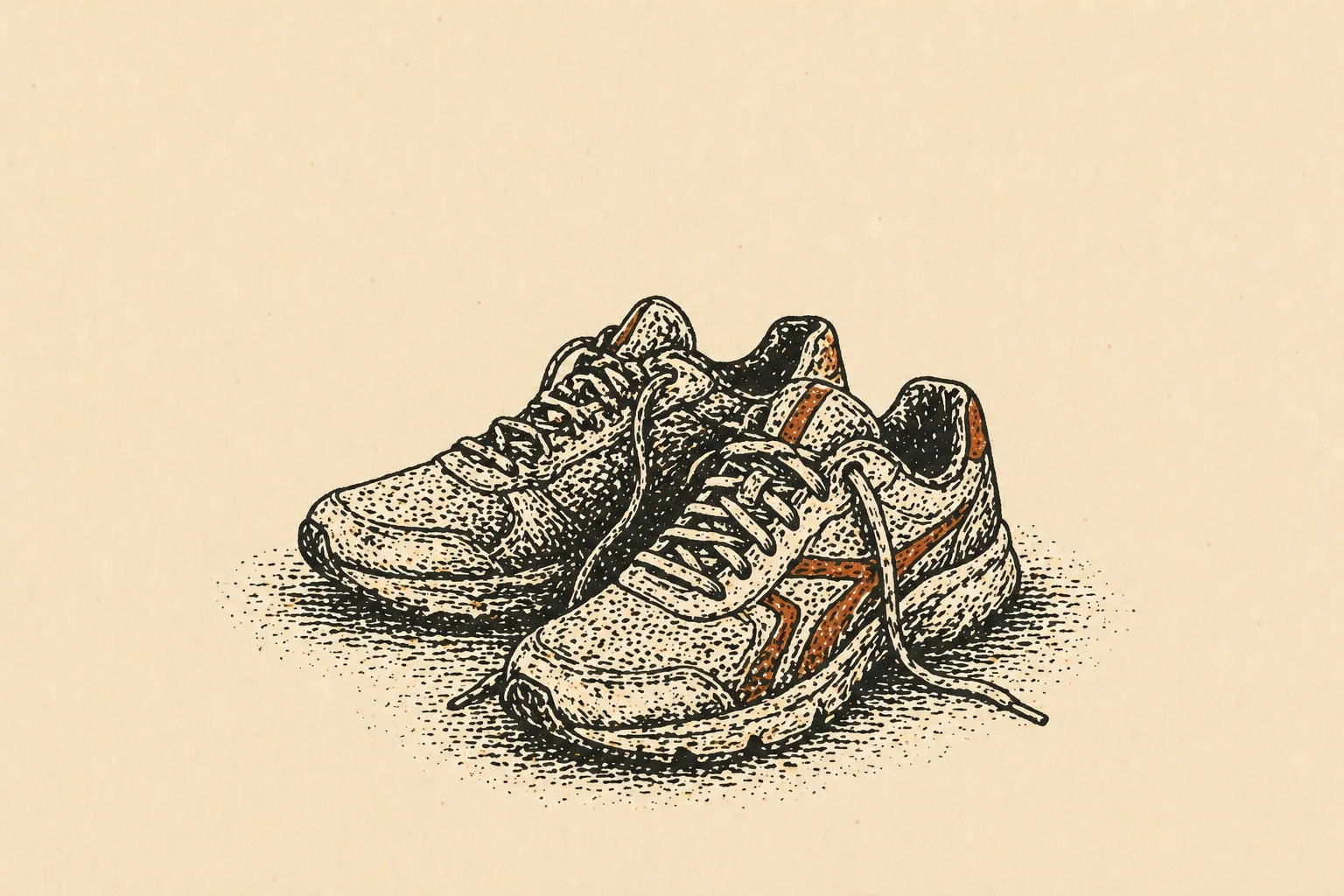
Run a 30-day cycle with ten thousand steps a day.
The Cycle Planner walks you through six steps and gives you a clean plan to start from. We'll prefill the habit, the suggested length, and a starter exit condition.
Plan a cycle with this habit
The ten-thousand-steps target was invented in 1965 by a Japanese pedometer company and the science has caught up since. Studies put the meaningful threshold somewhere between 7,000 and 10,000 daily steps for most adults; the number rounds nicely and has become the cultural default for ambient movement. As a daily target, it works.
What it looks like
Track steps however you already track them, phone, watch, pedometer. Aim for ten thousand by bedtime, daily. Distribute across the day: a morning walk, a lunch walk, a quick walk after dinner, a walking call. Few people hit it from one big walk; most hit it from three or four smaller ones.
The discipline is in the shape of the day, not in any single push. Days that don’t hit it usually have a structural cause (long meetings, long drive); the cause is the thing to address, not the count.
Why it works
Daily ambient movement is one of the few interventions that consistently moves the meaningful health markers, cardiovascular fitness, metabolic flexibility, body composition, without requiring any specific gym or sport. Ten thousand steps daily for two months produces measurable improvements in resting heart rate, blood pressure, and self-reported energy.
The compounding effect is also on mood. Daily walks at any pace are reliably anti-depressive at modest doses; the cumulative effect across a 60-day cycle is on the kind of low-grade ambient mood that nothing else seems to touch.
Common pitfalls
The first pitfall is treating it as a binary. Eight thousand steps is not failure. Aim for ten; accept seven on a hard day.
The second is hitting it through evening compensation. A 4pm “I need 6,000 more steps” treadmill session works once and then collapses. Distribute across the day or accept the lower count.
The third is fixating on the watch’s count. Watch counts are imprecise. Use them as direction, not as audit.
A 30-day cycle suggestion
A 60-day cycle, daily. Success criteria: at least 50 of 60 days at or near ten thousand steps.
Exit condition: when the count happens through built-in walking patterns, not through deliberate evening padding.