Read with a child, daily
Twenty minutes of reading, side by side. They read to you, you read to them, or you read together.
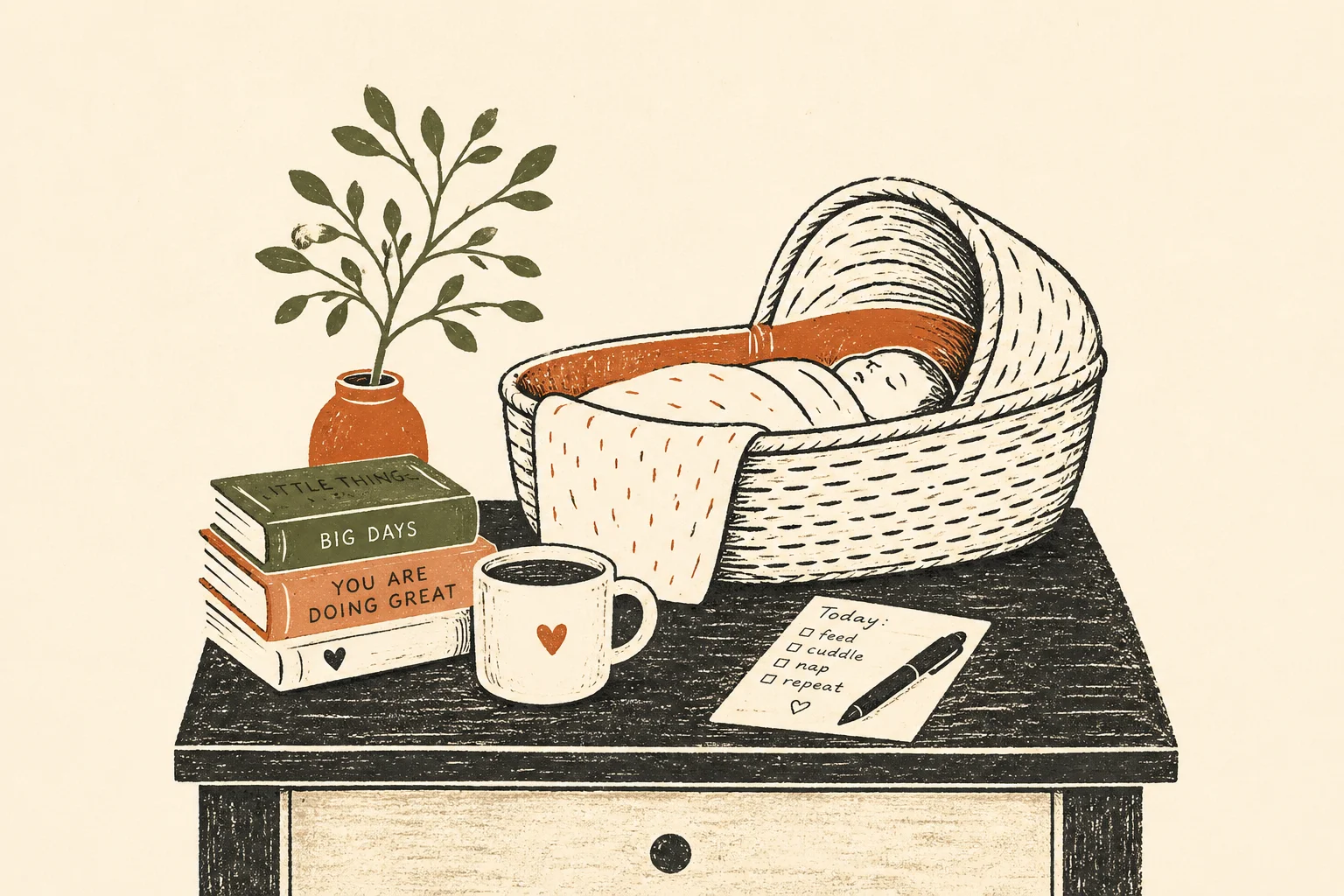
Run a 30-day cycle with read with a child, daily.
The Cycle Planner walks you through six steps and gives you a clean plan to start from. We'll prefill the habit, the suggested length, and a starter exit condition.
Plan a cycle with this habit
The bedtime story habit is wonderful, and there’s a related practice that does different work. Reading with a child rather than to them, alternating pages, working through a chapter book together, or sitting alongside while they read their own thing, builds a different kind of attention and a different relationship to books.
What it looks like
Twenty minutes, sitting together. The format flexes with the child’s age. Pre-readers: you read aloud while they follow along, sometimes pointing out words. Early readers: alternate pages, or alternate paragraphs. Confident readers: each of you reads your own book in the same room, occasionally looking up to swap a sentence.
The fixed slot matters more than the format. Most households default the slot to the wind-down hour before bed.
Why it works
Reading next to someone who’s reading is a quiet form of company. Children who read alongside a parent who reads grow into adults who read; the modelling effect is more durable than instruction. The shared slot also turns reading from a task into a small ritual.
For early readers, the alternating-page format is the active ingredient. It scaffolds the harder work of reading independently while keeping the parent close enough to help.
Common pitfalls
The first pitfall is treating it as homework. The slot dies the moment it becomes a literacy intervention. Read what they want to read; the literacy gains follow.
The second is letting it become parallel screens. A book and a tablet are not the same practice. Defend it as paper.
The third is going long. Twenty minutes is durable; an hour is aspirational. Most evenings have twenty minutes; few have sixty.
A 30-day cycle suggestion
A 60-day cycle, daily. Success criteria: 50 of 60 evenings. Some weeks will collapse; the cycle survives a bad week.
Exit condition: when the reading slot is the evening, not a thing to decide on.